How Ultra-Low Fast Fashion Is Disrupting Traditional Retail

The rise of Shein and Temu has fundamentally altered consumer expectations in the fashion industry by providing ultra-low prices, trendy items, and rapid delivery times. Both

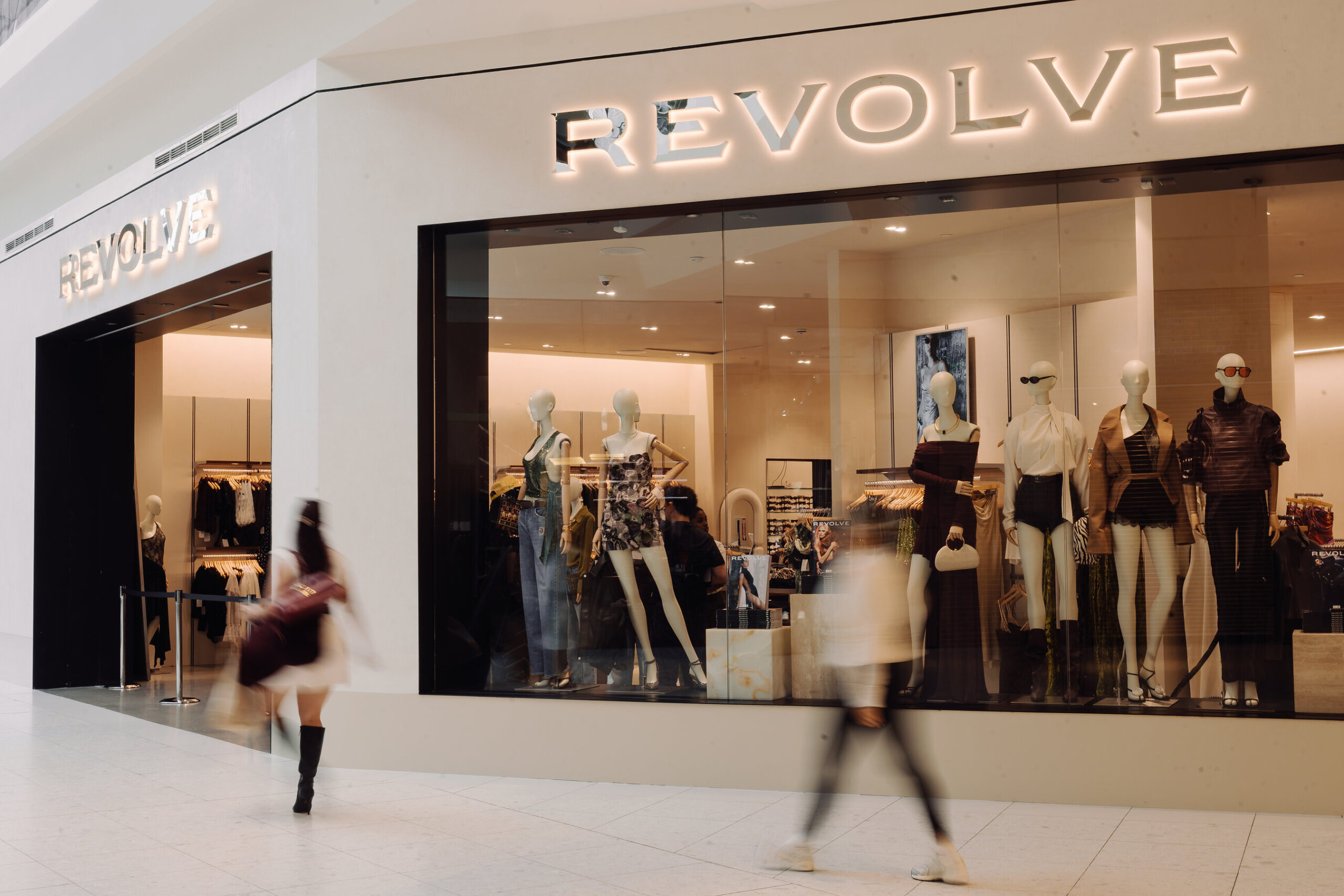
How Ultra-Low Fast Fashion Is Disrupting Traditional Retail The success of Shein and Temu has significantly disrupted traditional brick-and-mortar stores and mid-tier fashion retailers. They can undercut prices and offer a broader range of products by leveraging technology and supply chain efficiencies. This disruption is partly facilitated by their use of de minimis shipment exemptions, which allow them to avoid traditional tariffs faced by physical stores. Consequently, many established retailers struggle to compete on both price and speed, pushing them to rethink their strategies.
FashionInsights

How Ultra-Low Fast Fashion Is Disrupting Traditional Retail

Credit: SHEIN Spring/Summer Campaign

The rise of Shein and Temu has fundamentally altered consumer expectations in the fashion industry by providing ultra-low prices, trendy items, and rapid delivery times. Both companies leverage cutting-edge technology, sophisticated algorithms, and AI; they monitor viral images and designs to identify emerging trends on social media platforms, such as Instagram, and recreate fashion at lightning speed.

This capability enables Shein and Temu to stay ahead of traditional retailers and instantly meet consumer demand for trendy, affordable clothing. For instance, Shein has partnered with over 5,400 third-party manufacturers, enabling it to introduce tens of thousands of new styles daily and ship approximately 5,000 metric tons of goods via air freight daily. Similarly, Temu connects directly with manufacturing units in China, ensuring that everything is sold at ultra-low prices.

Disruption of Traditional Retailers (Brick-and-Mortar)

The success of Shein and Temu has significantly disrupted traditional brick-and-mortar stores and mid-tier fashion retailers. They can undercut prices and offer a broader range of products by leveraging technology and supply chain efficiencies. This disruption is partly facilitated by their use of de minimis shipment exemptions, which allow them to avoid traditional tariffs faced by physical stores. Consequently, many established retailers struggle to compete on both price and speed, pushing them to rethink their strategies.

Discussion

0 Comments

No comments yet.

Recommended Articles

View all Fashion