Why Shopify Merchants Are Using Bundle Builders to Increase AOV

Alyssa Jade Mann
4 Min Read
Why Shopify Merchants Are Using Bundle Builders to Increase AOV

Most Shopify store owners hit a ceiling with average order value at some point. Single-product purchases only go so far, and discounting eats into margins fast.  That’s exactly where product bundles come in, and why bundle builder tools have become one of the most practical ways to push AOV without running constant sales.

What a Bundle Builder Actually Does

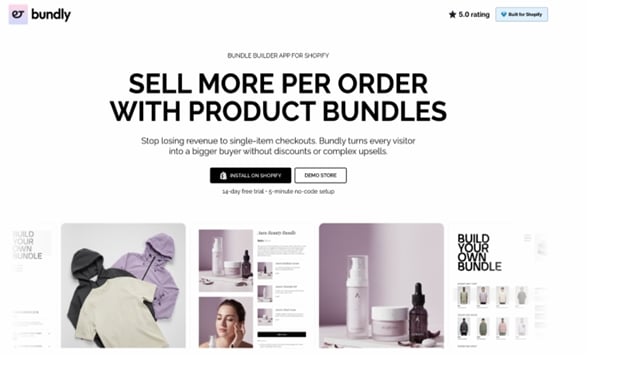
A bundle builder lets customers combine multiple products into a single purchase, usually at a slight discount compared to buying each item individually.  Think of it like a “build your own” experience — skincare routines, supplement stacks, gift boxes, coffee sampler packs. 

The customer picks what they want, and the store gets a bigger cart.What separates a proper Shopify bundle app from a basic discount code is the shopping experience itself. Instead of just slapping products together, a good bundle builder walks the buyer through a guided selection process. 

They pick a base product, add complementary items, and see the savings in real time. It feels curated rather than transactional.

Why AOV Moves When Bundles Work

Bundles shift buyer psychology in a specific way. When someone sees that adding a second or third item saves them 15%, the perceived value flips — not buying the bundle feels like leaving money on the table. This works especially well for consumable products, fashion accessories, and anything with natural cross-sell potential. There’s a compounding effect, too. 

Stores running bundles typically see:

  • Higher units per transaction — customers add items they’d normally skip
  • Lower return rates — bundled purchases feel more intentional
  • Stronger repeat purchase rates — especially with replenishable product bundles

The mechanics aren’t complicated, but execution matters.  A poorly designed bundle page with confusing options will kill conversions faster than no bundle at all.

Choosing the Right Setup

Shopify’s native product system doesn’t handle bundles natively in a meaningful way.  You’ll need a third-party app, and there are dozens in the Shopify App Store — Vitals, PickyStory, Bundle Bear, and others. The key differences come down to how much control you get over pricing logic, product selection rules, and storefront presentation.

For merchants who need flexible bundle configuration in Shopify, the priority should be finding an app that handles inventory sync properly. Nothing tanks customer trust faster than selling a bundle where one component is actually out of stockThe app should also support tiered discounts, mix-and-match logic, and clean integration with your existing Shopify theme without requiring custom Liquid code.

Practical Tips That Actually Matter

Start with your best-selling products as bundle anchors. Don’t launch with 20 different bundle options — pick two or three combinations that make obvious sense to your customer base.  Monitor the data for 30 days before expanding.

Pay attention to how bundles display on mobile devicesA multi-step bundle builder that looks great on a desktop can become unusable on a phone screen if the app doesn’t handle responsive layouts well. Test the full purchase flow on mobile before going live.

Price your bundles so the discount feels real but doesn’t wreck your margins. Somewhere between 10–20% off the combined individual price tends to hit the sweet spot for most Shopify stores selling physical goods. Bundles aren’t a magic fix, but they’re one of the few strategies that reliably increase order value while giving customers something they actually want — a better deal on products they were already considering.


Share This Article