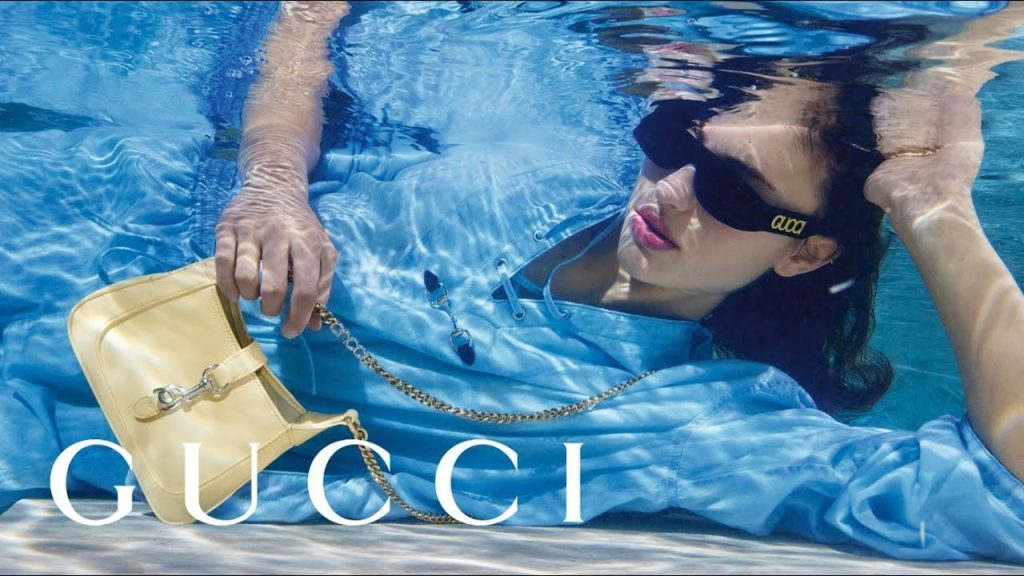
Guccio Gucci established the iconic Italian luxury fashion house in Florence, Tuscany. Over the past century, Gucci has evolved from a small luggage atelier to a global icon. The brand’s journey is filled with fascinating milestones and innovations. Here are ten intriguing facts about Gucci’s history, highlighting its evolution and enduring legacy.
1. The Humble Beginnings
Guccio Gucci founded the House of Gucci in 1921 in Florence, Italy. Inspired by his experience working as a porter at The Savoy Hotel in London, Guccio opened his first artisanal luggage atelier on Via della Vigna Nuova. His vision was to combine exceptional Tuscan craftsmanship with the elegant English aesthetic he admired during his time in London.
2. Equestrian Inspirations
Many of Gucci’s iconic designs are inspired by the world of horses and equestrianism. Guccio incorporated horsebits, stirrups, and other equestrian motifs into his products, creating a unique and recognizable brand identity. This…
influence is evident in the famous Horsebit loafer introduced in 1953. 3. The Bamboo Bag Innovation In 1947, amid post-war material shortages, Guccio Gucci and his artisans turned to bamboo to create a lightweight and durable handbag.
The innovative Bamboo bag became an instant hit and remains one of the brand’s most iconic pieces, evolving into the Bamboo 1947 handbag. 4. Global Expansion Gucci’s expansion beyond Italy began in 1953 when Aldo Gucci, Guccio’s son, opened the first American store in New York City at the Savoy Plaza Hotel.
This move began Gucci’s transformation into a global luxury brand, attracting an international clientele of jet-setters, Hollywood stars, and dignitaries. 5. The Introduction of the GG Monogram The late 1930s saw the introduction of the Diamante fabric, featuring an emblematic diamond motif.
This design was a precursor to the GG monogram canvas, which remains a staple in Gucci’s collections today. The GG monogram symbolizes the brand’s heritage and timeless appeal. 6. Celebrity Endorsements Throughout the 1950s and 1960s, Gucci drew inspiration from celebrities, further cementing its status as a luxury brand…
Discussion
0 Comments
No comments yet
Start the conversation
Share your take on this story and help shape the discussion.
Sign in to join the discussion.