The Impact of Artificial Intelligence (AI) in the Fashion Industry
Artificial Intelligence has emerged as a transformative force in various industries, including fashion and retail. It offers numerous benefits, such as streamlining product design processes, enhancing
The Impact of Artificial Intelligence (AI) in the Fashion Industry
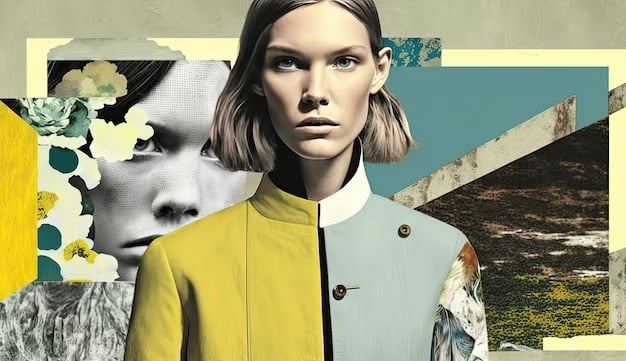
Artificial Intelligence has emerged as a transformative force in various industries, including fashion and retail. It offers numerous benefits, such as streamlining product design processes, enhancing customer experiences, and optimizing supply chain management. However, the increasing use of AI in the fashion industry also raises ethical concerns that must be addressed. In this article, we will explore the ethical implications of AI in the fashion industry and discuss how companies can navigate these challenges.
1. Understanding AI in Fashion
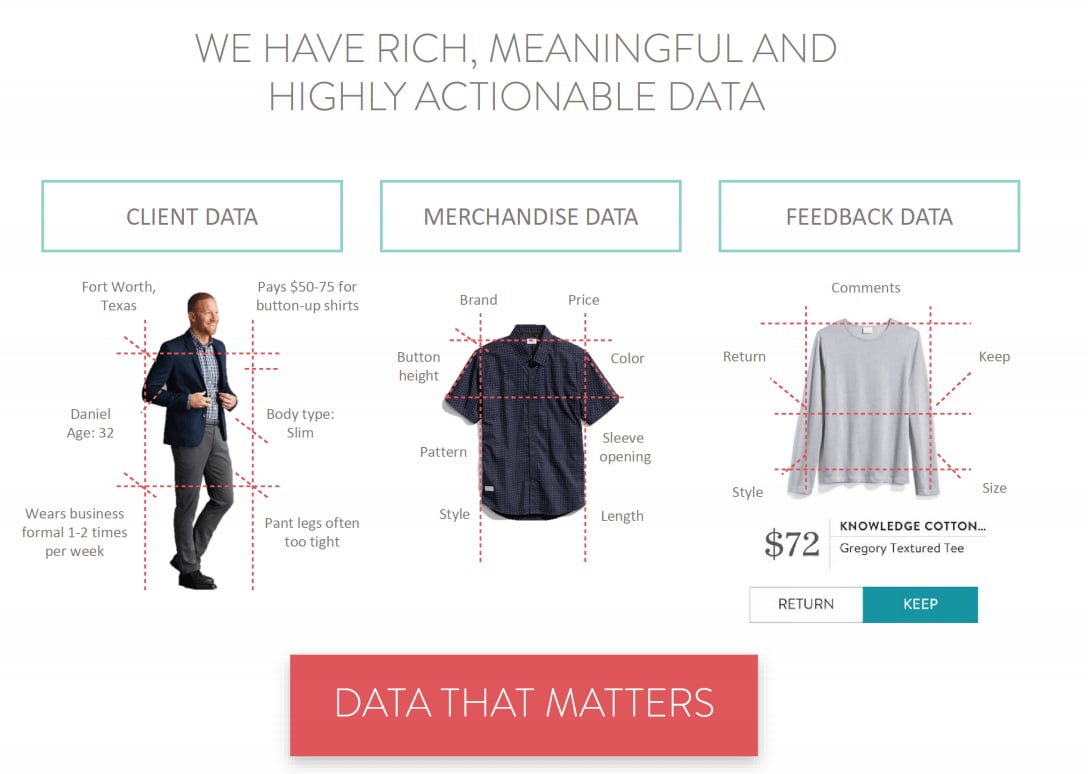
Credit: Harvard, Stitch Fix: The Fashion Maven of Machine Learning
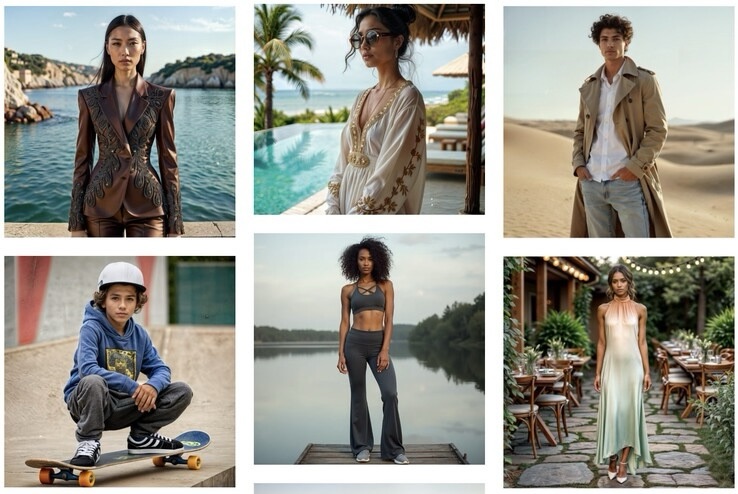
AI has revolutionized the fashion industry by enabling companies to analyze vast amounts of data and gain valuable insights into consumer preferences and market trends. It encompasses various applications, such as virtual try-ons, AI fashion models, trend predictions, design assistance, and supply chain optimization. AI technologies have become the “little black dress” of the apparel industry, offering versatility and opportunities for…
innovation. For example, Stitch Fix, a personal styling service, leverages AI to provide personalized customer recommendations, showcasing how AI can tailor experiences to individual preferences 2.
Enhancing Creativity with AI The integration of AI into the creative process presents exciting possibilities for the fashion industry. By analyzing extensive data, AI can provide designers with valuable insights to create innovative and forward-thinking designs. However, there is a delicate balance to maintain.
Fashion companies must ensure that AI remains a tool to augment, rather than replace, the creative vision of designers. Over-reliance on AI could stifle human creativity and result in a loss of artistic expression.
For example, Tommy Hilfiger uses AI to generate novel designs, combining different images and styles to create unique fashion concepts, thus fostering innovation within the creative process 3. AI and Intellectual Property Rights The use of AI in fashion raises critical copyright questions…
Members-only article
Unlock the rest of this story
Join free to keep reading RetailBoss technology coverage, industry analysis, and market intelligence.
Full article access
Industry analysis
Free account
Free access. No credit card required. Your account is created after you verify your email.

Discussion
0 Comments
No comments yet
Start the conversation
Share your take on this story and help shape the discussion.
Discussion
0 Comments
No comments yet
Start the conversation
Share your take on this story and help shape the discussion.
Sign in to join the discussion.