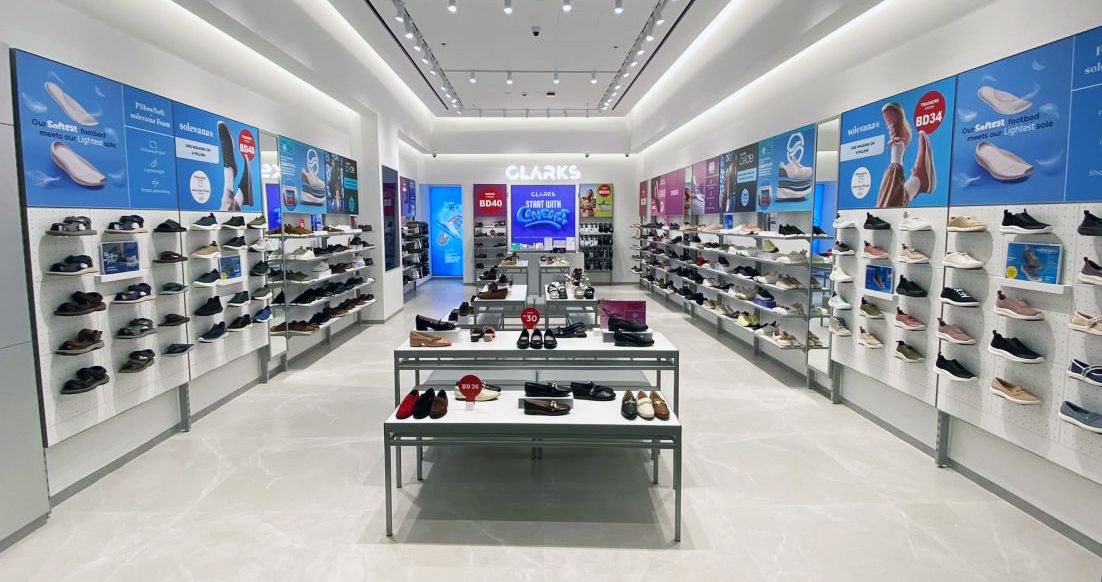


Physical retail spent the better part of a decade working out how to exist alongside an ecommerce market growing faster than anyone had planned for. The question was not whether digital competition would take market share. It would. The question was whether the physical format had something to offer that would keep customers through the door. Canadian casino operators have been answering the same question since Ontario fundamentally changed what the domestic online gaming landscape looked like.
The Canadian Gaming Association covers operators across both sides of Canada’s gaming market. The picture it presents is not one of simple displacement. Before Ontario opened to Canadian casino sites, the majority of online gambling in the province was happening on unregulated grey-market platforms, offering players no meaningful consumer protection.
Bringing that activity into a licensed framework changed the dynamic in ways that physical venues did not uniformly suffer from. The competition became more visible. It also became fairer.
Ontario Set the Tone and the Physical Market Responded
When iGaming Ontario launched under the Alcohol and Gaming Commission of Ontario, it opened the province to competition from dozens of licensed operators for the first time. Niagara Fallsview, Casino Rama, and the Gateway-operated venues across Ontario found themselves alongside a market offering welcome bonuses, live dealer tables, and game libraries running into the thousands.
The regulatory picture differs significantly across the country. Quebec has kept its online market closed to competitive operators, with Loto-Québec’s Espacejeux remaining the only licensed online casino platform in the province. British Columbia operates its online offering through the government-run BCLC.
Alberta, having watched Ontario’s results, is now moving to open its own competitive regulated market along similar lines. What that means for physical casinos in each province depends entirely on which regulatory framework surrounds them.
The Online Competition
In Ontario, the online market physical venues are competing against has grown considerably since its launch. Dozens of licensed operators now compete on casino gaming, sports betting, and poker, each offering their own welcome bonus structures, game libraries, and live dealer options. The bonus terms across those operators vary enough to matter. A welcome offer with wagering requirements that can realistically be met is a different product from the same headline figure attached to conditions that make it effectively unreachable.
The physical venues that have responded most effectively are the ones that took the experience question seriously. Parq Vancouver has developed its non-gaming offering as a destination product. Casino de Montréal has invested in entertainment and hospitality programming beyond the floor.
The Niagara Fallsview corridor has expanded its hotel and live entertainment capacity. Each is operating on the same basic premise: the physical visit competes on what a phone cannot replicate, and doubling down on that is the only answer that holds up over time.
Physical Casinos Are Running Retail Strategies
Physical casinos have arrived at the same conclusion that retail trends analysis reached about brick-and-mortar retail: when a digital alternative covers the transactional side of the market, the physical version competes on experience. The gaming floor is still there. The table games and slots have not moved. What has changed at the properties doing this well is everything surrounding them: the food and beverage, the entertainment programming, the loyalty structures that tie the gaming visit to a broader resort experience.
Retailers who came through the ecommerce era did so by making the physical visit worth the trip in ways a browser tab cannot replicate. Canadian casino operators following the same logic are in a different position from those that have not. The provinces with the most active online competition, Ontario most visibly, have produced the clearest evidence of which approach holds up when the digital alternative is genuinely competitive.
The disruption running through Canada’s casino market is one retail has been managing for years. The casinos navigating it well understood early what physical retail figured out the hard way: the format is not the product. The experience is.