
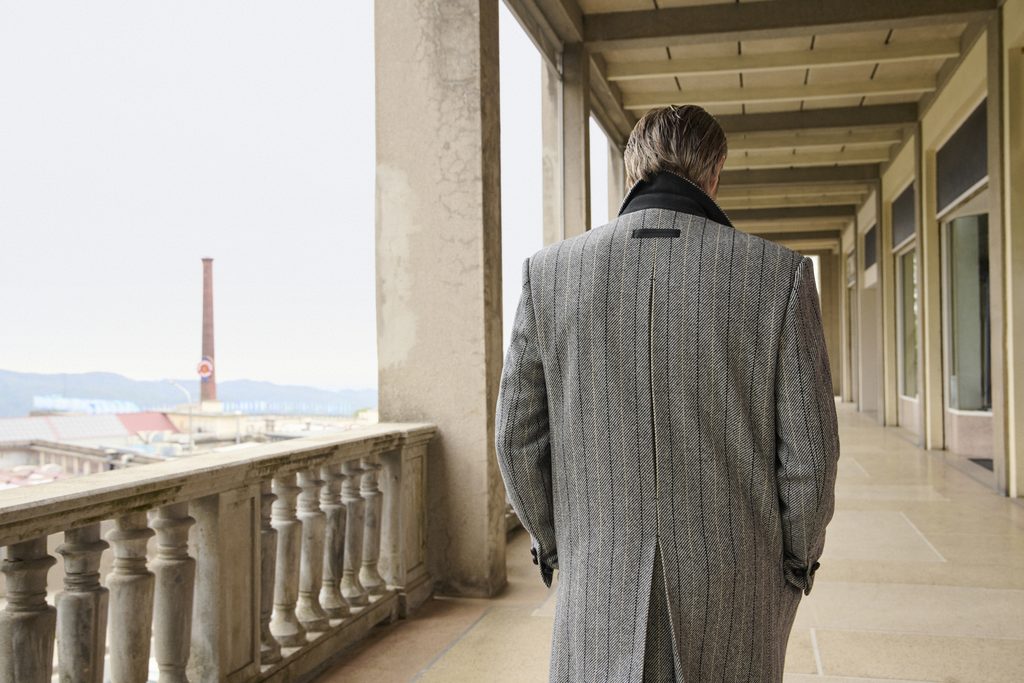
From one generation to the next, ZEGNA is using its FW26 Su Misura campaign to explore how craftsmanship can give a garment a life that extends far beyond its first wearer.
For more than a century, ZEGNA has built its approach to menswear around fabric, tailoring and an understanding that luxury is often defined by what endures. That philosophy takes on a more personal meaning in “A Man in a Suit Thinks Differently,” the House’s latest Su Misura campaign starring Global Ambassador Mads Mikkelsen.
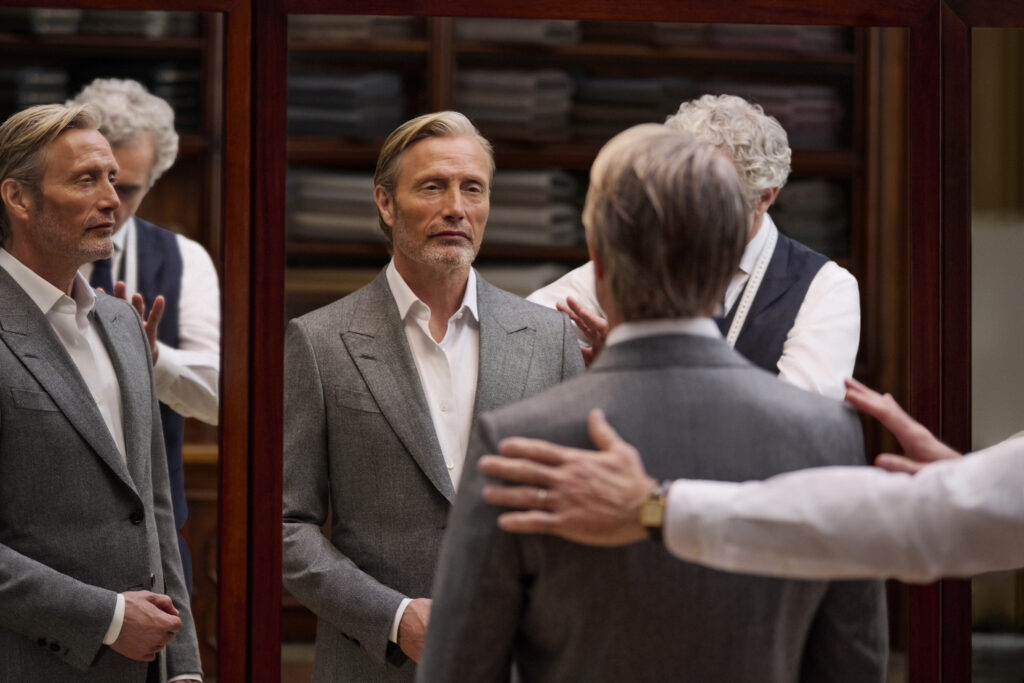
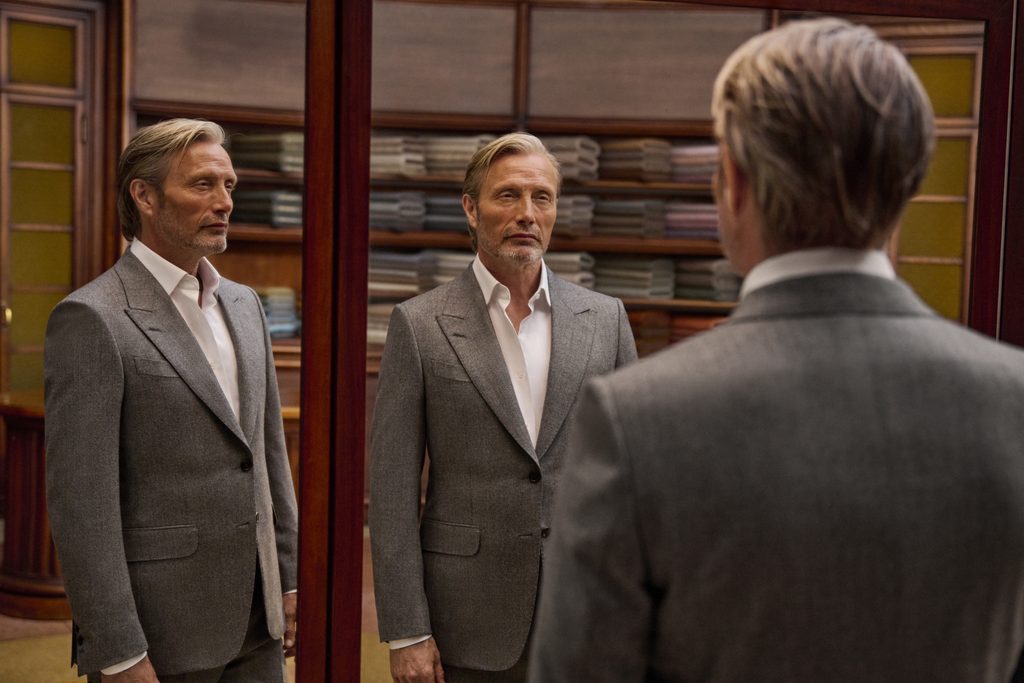
At the center of the story is a simple exchange. Mikkelsen brings one of his own jackets to a tailor to be altered for his son, transforming a garment already shaped by one man’s life into something that can accompany another.
Rather than introducing a new jacket, ZEGNA makes the existing garment the focus. It has already been worn, developed personal meaning and become part of Mikkelsen’s wardrobe. Through Su Misura, it is carefully reconsidered for his son, preserving the history of the original piece while preparing it for a new generation.
The gesture speaks to a broader idea within Su Misura: the family closet, a wardrobe shaped over time in which garments carry memory, identity and emotion from one generation to the next. A piece may begin with one wearer, but its meaning can continue to evolve as it moves through a family.
The House describes the gesture as “a gift passed from one generation to the next,” connecting the precision of made-to-measure tailoring with the larger ideas of fatherhood, inheritance and legacy.
That continuity has long been embedded within ZEGNA itself. Founded in 1910 by Ermenegildo Zegna in Trivero, Italy, the House has spent generations developing its expertise in textiles and menswear, with its vertically integrated approach giving it control from raw materials and fabric development through to the finished garment.
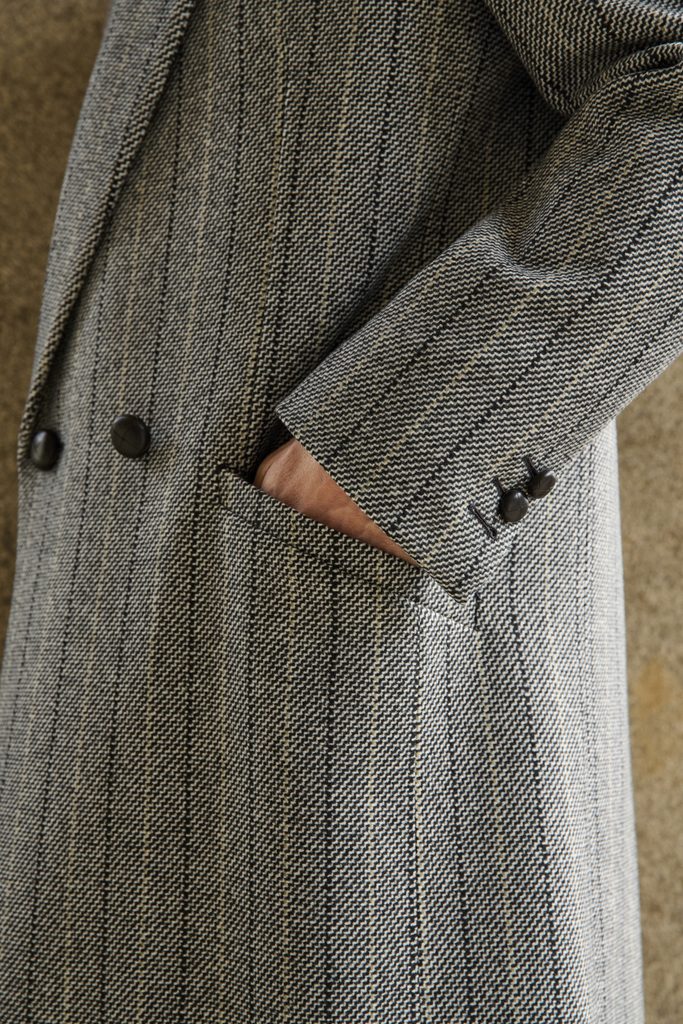
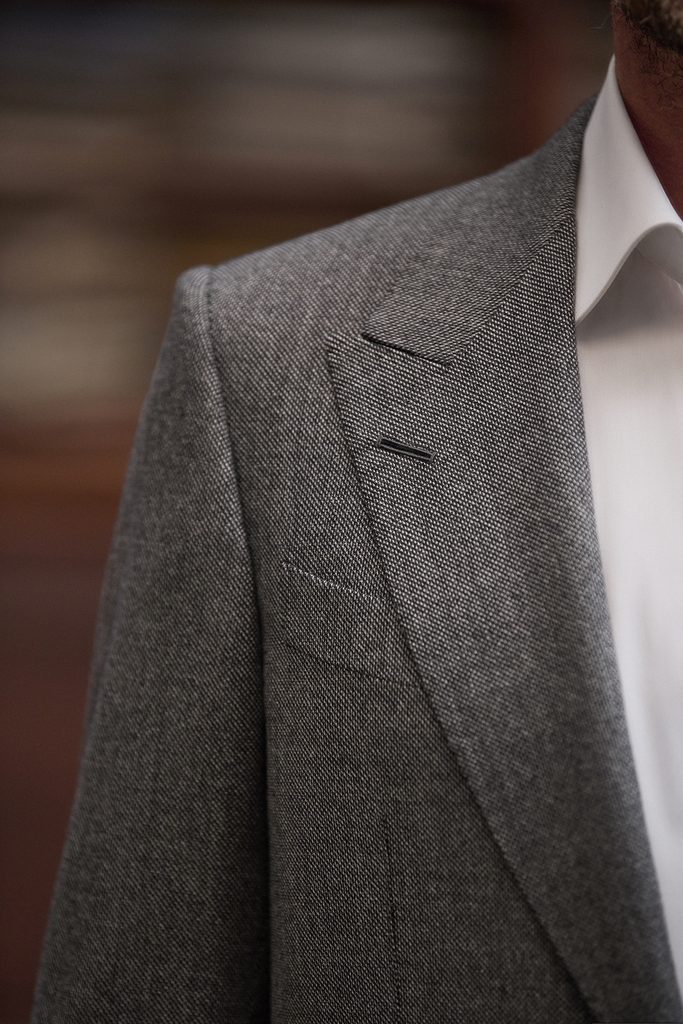
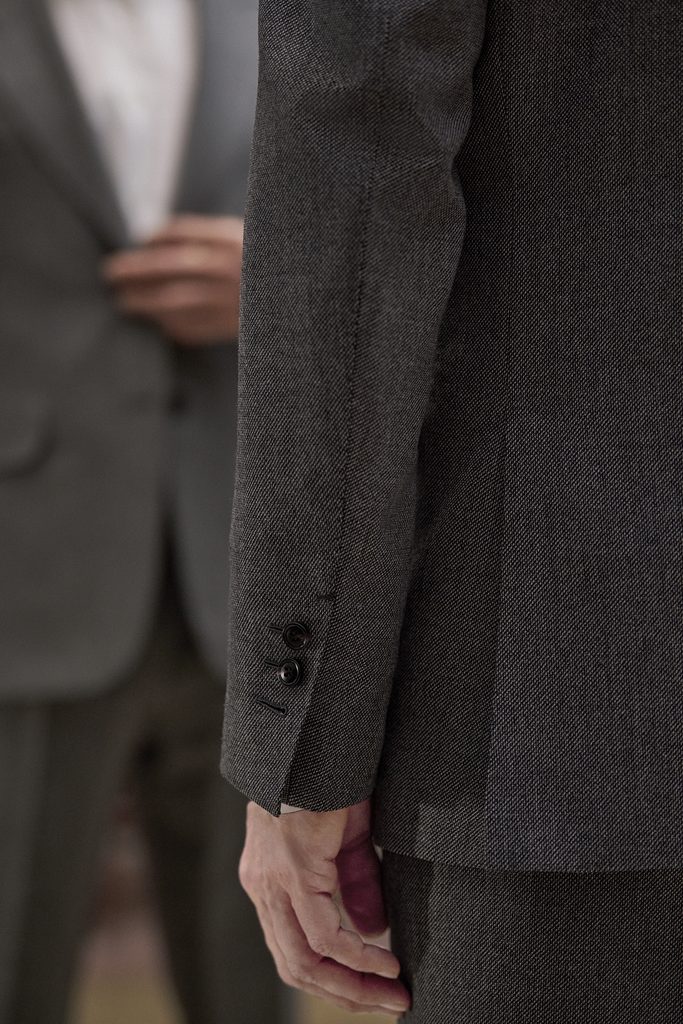
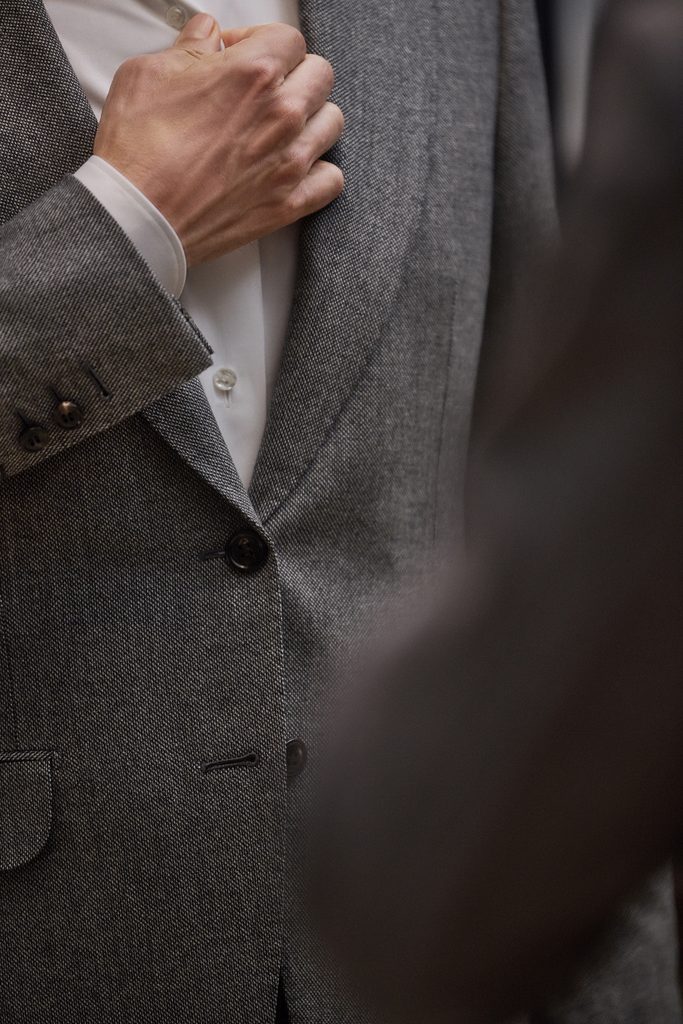
Su Misura brings that expertise directly to the individual wearer. ZEGNA’s world of made-to-measure allows garments to be personalized through fabric, buttons, linings, finishing details and hundreds of possible alterations but the FW26 campaign takes that proposition beyond the initial fitting.
The film is told through the perspective of a tailor whose work is defined by the smallest adjustments: the pitch of a shoulder, the roll of a lapel and fractions of an inch that ultimately determine how a jacket sits on the body.
Those details become particularly important when the jacket changes hands. Altering Mikkelsen’s piece for his son is not simply a matter of resizing it. The garment must be reconsidered around another body and another life while retaining the character that made it worth passing down in the first place.
The tailor describes the work as “a life lived in millimeters,” capturing the precision behind made-to-measure clothing and the much larger moments that tailoring is often called upon to accompany. Those milestones give the father-and-son story greater meaning. A suit can be present for the moments that define one generation before eventually becoming part of the next.
The campaign also draws a direct line between that personal history and ZEGNA’s own product heritage. The Su Misura wardrobe includes Trofeo fabric, created by the Ermenegildo Zegna Wool Mill in 1965; Abito #1, inspired by the Founder’s suits from the 1930s; and the Falcon Jacket, connected to Oasi Zegna in the Italian Alps.
Each carries elements of the House’s past into contemporary menswear, reinforcing an approach where heritage is not preserved simply for reference, but continually brought forward through product and craftsmanship.
It is the same principle behind Mikkelsen’s jacket. The garment does not remain valuable because it is left untouched. Its relevance comes from its ability to be adapted without losing what came before. That distinction gives the FW26 Su Misura campaign particular relevance within luxury, where heritage, craftsmanship and longevity have become increasingly important ways for established Houses to communicate value beyond seasonal product cycles.
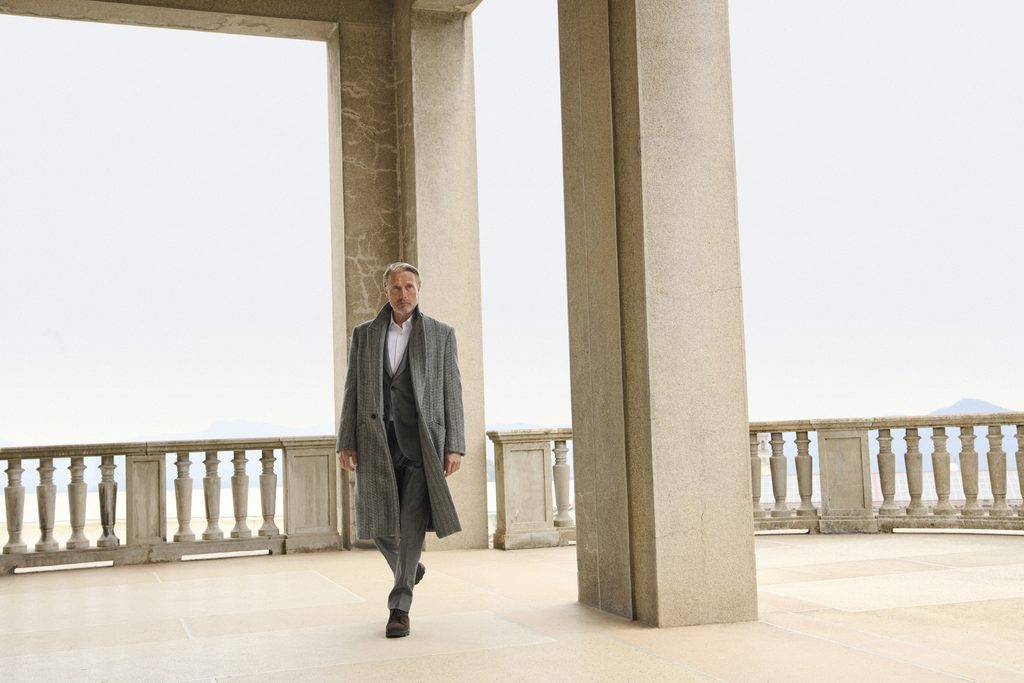
Rather than treating longevity as an abstract message, ZEGNA makes it tangible through one jacket and two generations. The craftsmanship that created the garment becomes the same craftsmanship that allows it to continue, turning made-to-measure into an experience capable of extending the life and meaning of the garment itself.
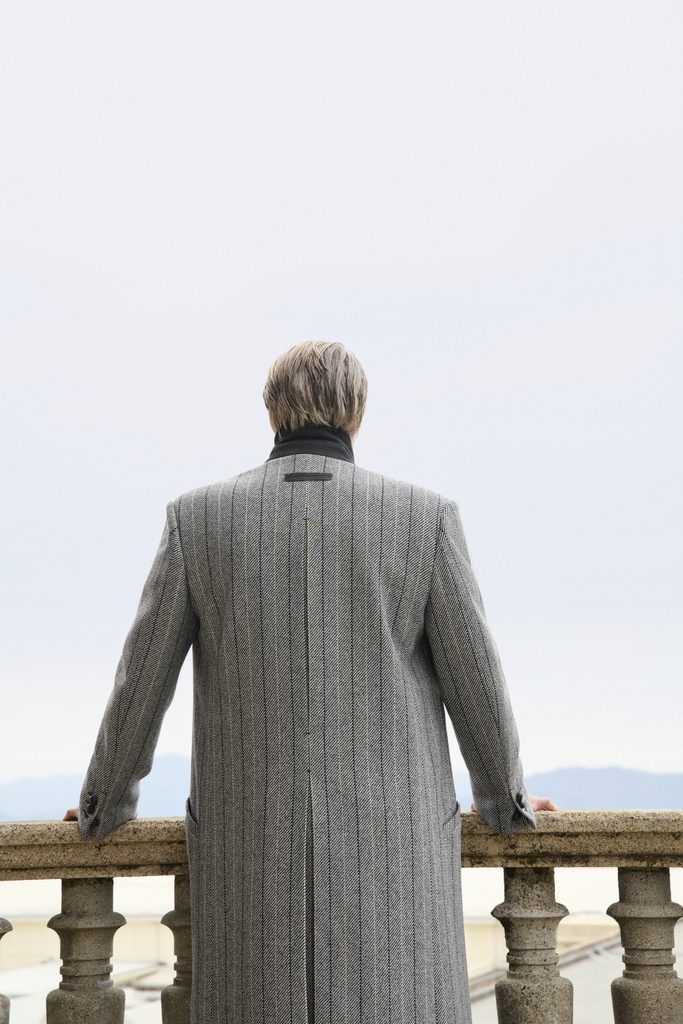
For ZEGNA, true legacy does not belong only to the past. It is worn, lived in and passed on. A garment may be made for one person, but what it represents can ultimately belong to many: a gesture, a memory, a legacy that continues to live and evolve.
The Su Misura experience can also be discovered at the ZEGNA store at Bal Harbour Shops.