UNIQLO Puts LifeWear in Motion With New 2026 Stores That Let Customers Feel Fabric Technology
Physical stores are central to UNIQLO’s strategy because they are the primary way customers can feel LifeWear in real life, and they act as local hubs where the brand learns from communities, not just sells clothes.
Stores as UNIQLO’s main “media”
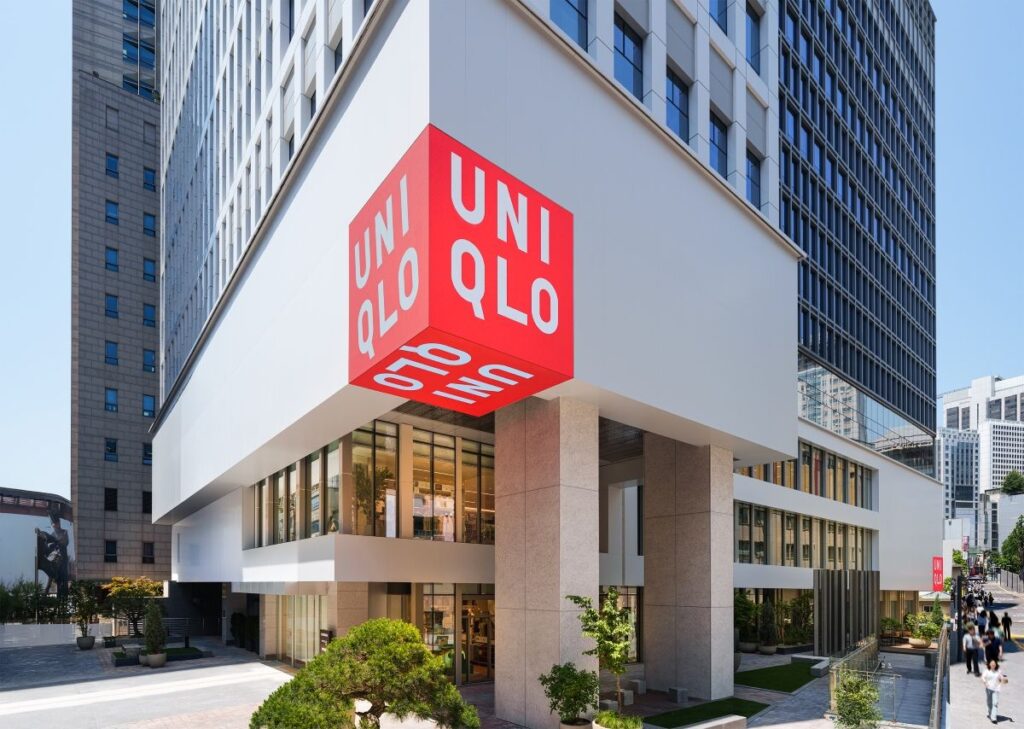
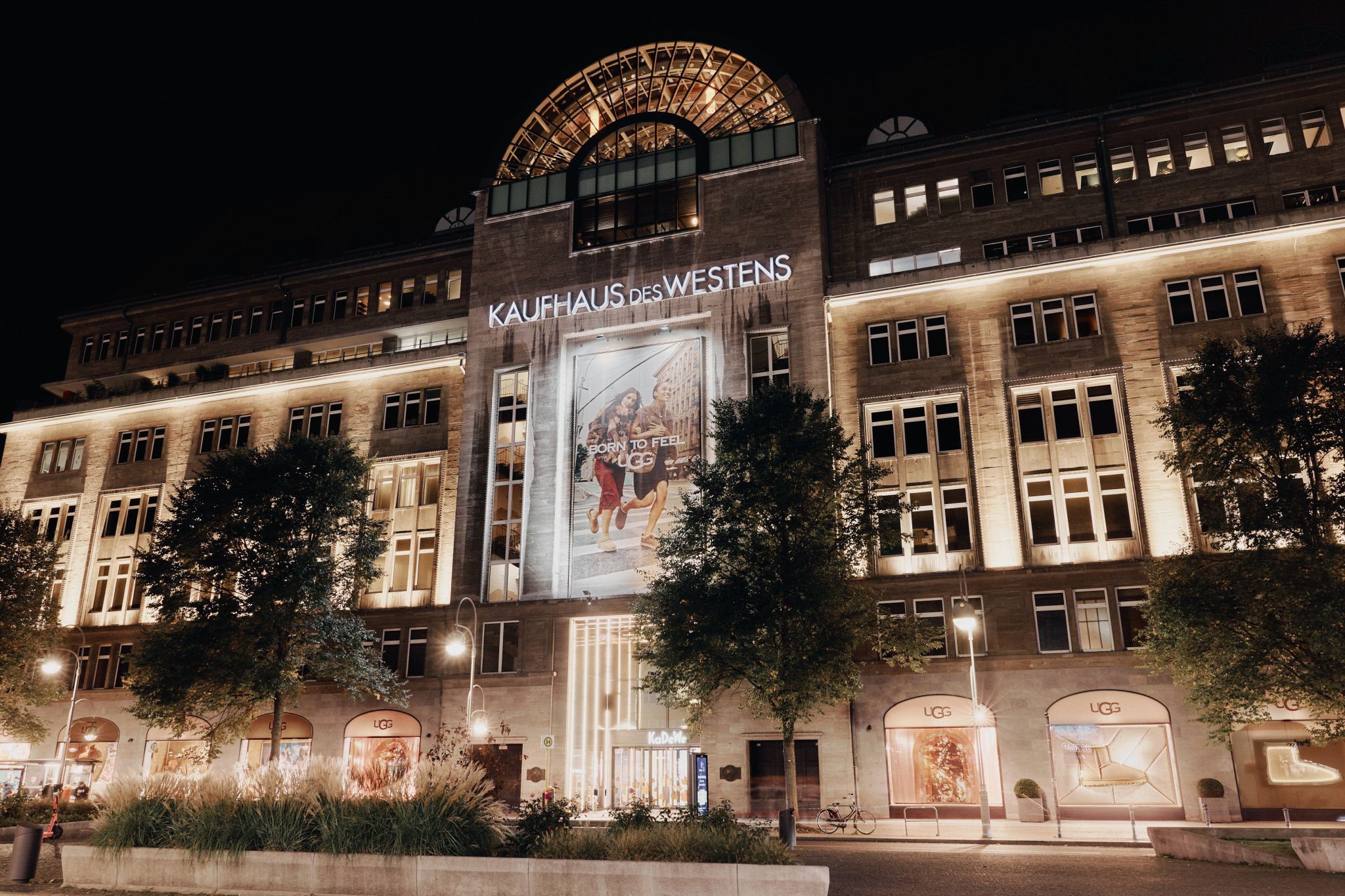
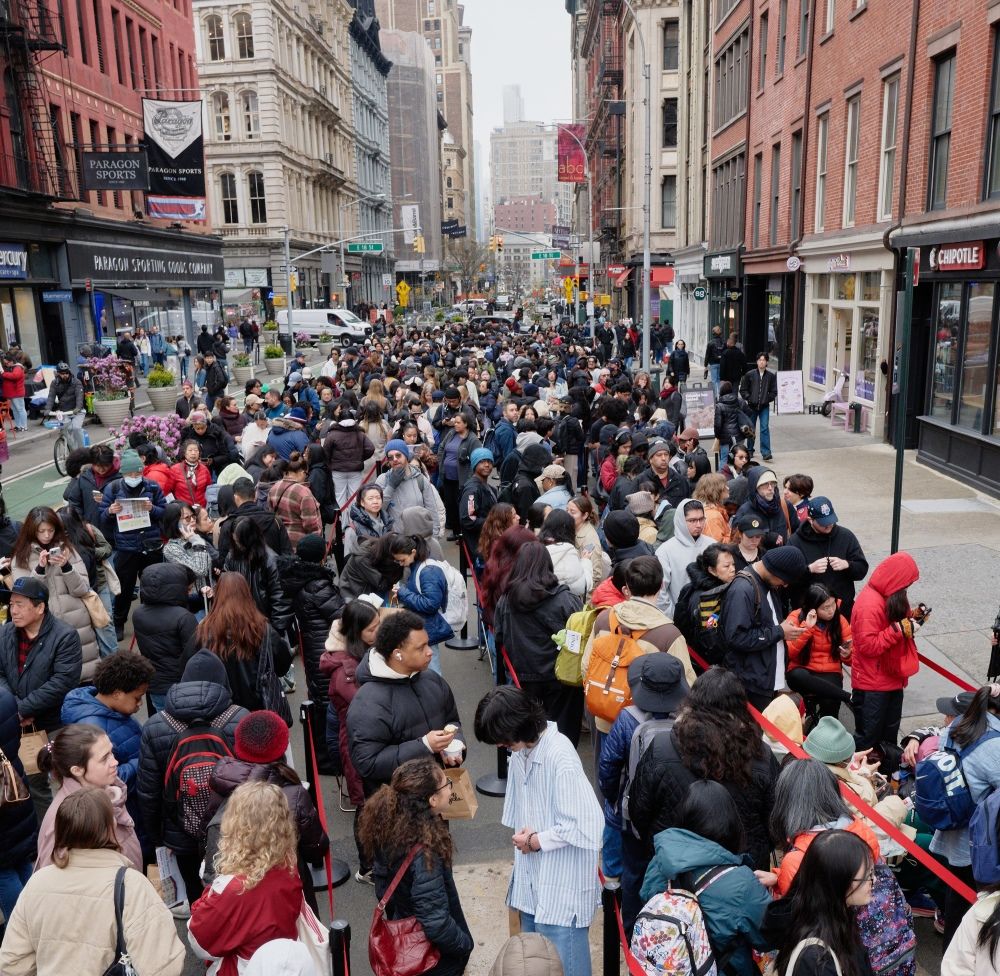
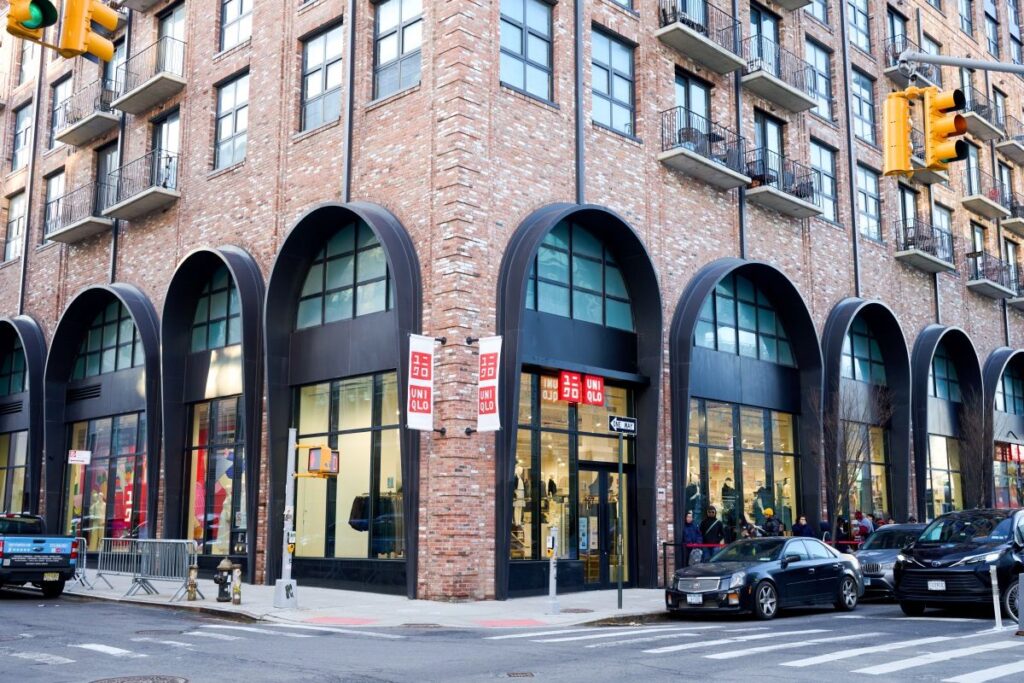
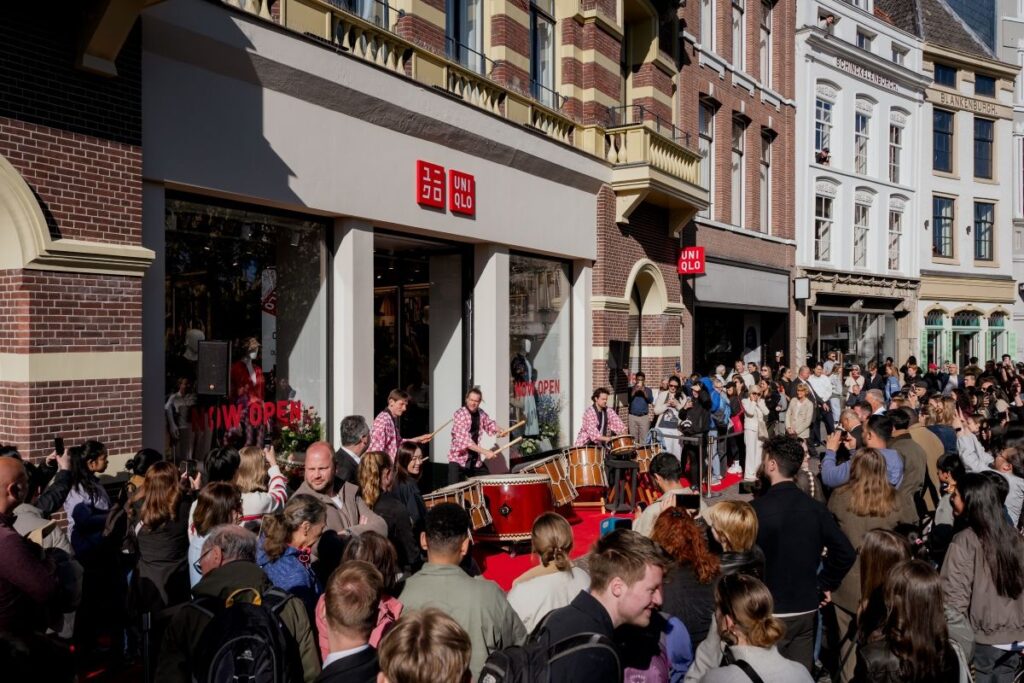
For UNIQLO, stores are not just points of sale; they are described internally as the brand’s most effective form of media, used to communicate product information and brand value in prime urban locations. Flagship and large format stores in cities like New York, Chicago, Boston, Seoul, Paris, and Utrecht are deliberately placed in high traffic, high affinity districts so customers can see the full LifeWear story not just individual products in one immersive space.
Experiencing LifeWear in person
Physical stores let customers:
Touch and feel key LifeWear categories such as AIRism and HEATTECH, which have seen strong year-on-year demand in multiple markets. Discover the technology behind functional fabrics and everyday…
essentials that are designed to improve daily life, something UNIQLO is increasingly emphasizing through clearer in-store storytelling around LifeWear. See complete outfits, styling ideas, and seasonal drops in context, which is harder to replicate through e commerce alone.
This tactile, educational experience is critical to building understanding of LifeWear, especially as the brand rolls out more innovation driven products and collaborations.
Learning from local customers and communities Every new store opening is framed by UNIQLO as an opportunity to gain a close understanding of local customers before expanding further, prioritizing quality over quantity in its footprint.Executives repeatedly stress thoughtful growth and opening the right stores in the right places, ensuring each location reflects local customer voices and provides a meaningful, high quality experience.
Physical stores help the brand: Observe real-time customer behavior, fit preferences, and climate specific needs, for example differing demand for HEATTECH in Boston versus AIRism in Miami. Test localized assortments, cultural partnerships, and community initiatives that deepen relevance in each city. Build…
Members-only article
Unlock the rest of this story
Join free to keep reading RetailBoss news coverage, industry analysis, and market intelligence.
Full article access
Industry analysis
Free account
Free access. No credit card required. Your account is created after you verify your email.
Discussion
0 Comments
No comments yet
Start the conversation
Share your take on this story and help shape the discussion.
Discussion
0 Comments
No comments yet
Start the conversation
Share your take on this story and help shape the discussion.
Sign in to join the discussion.