Today, Macy’s is a household name, known for its iconic Thanksgiving Day Parade, celebrity collaborations, and wide range of products and services. Join us on a journey through Macy’s history, as we explore the people, events, and innovations that have made this beloved brand what it is today. The early days of R.H.
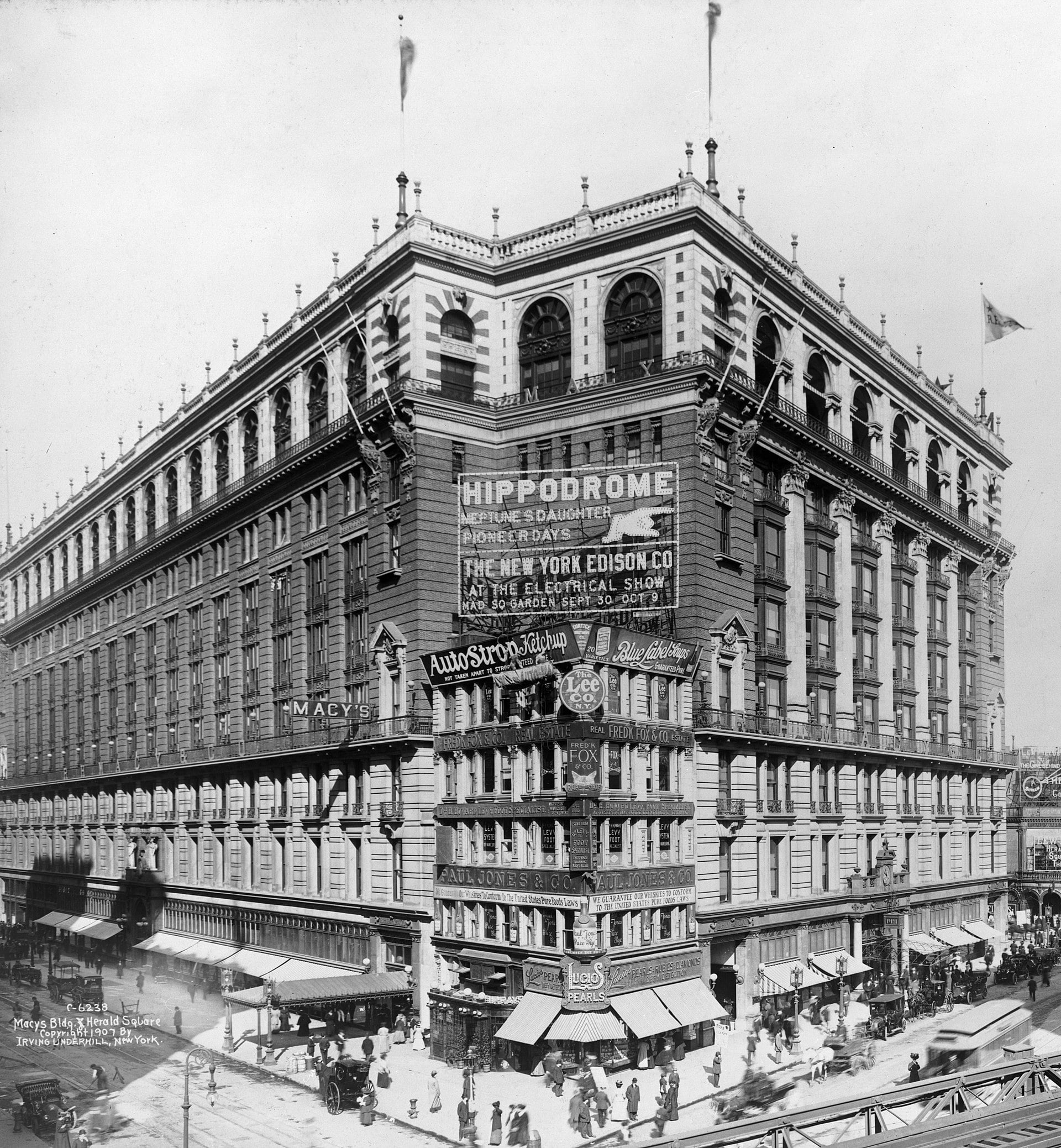
Macy’s store in New York City In 1858, R.H. Macy opened his first store on the corner of 14th Street and 6th Avenue in New York City. Macy had previously worked as a sailor and a clerk, and he used his savings to start his own business selling dry goods, such as textiles, clothing, and accessories.
At the time, New York City was rapidly growing, and Macy’s store was one of many in the bustling shopping district. However, Macy quickly set himself apart from his competitors by offering high-quality products at reasonable prices and providing excellent customer service.
Despite the initial success of his store, Macy faced many challenges in the early days. He had to compete with larger and more established retailers, such as A.T. Stewart & Co. and Lord & Taylor, and he struggled to attract customers to his out-of-the-way location. To overcome these obstacles, Macy…