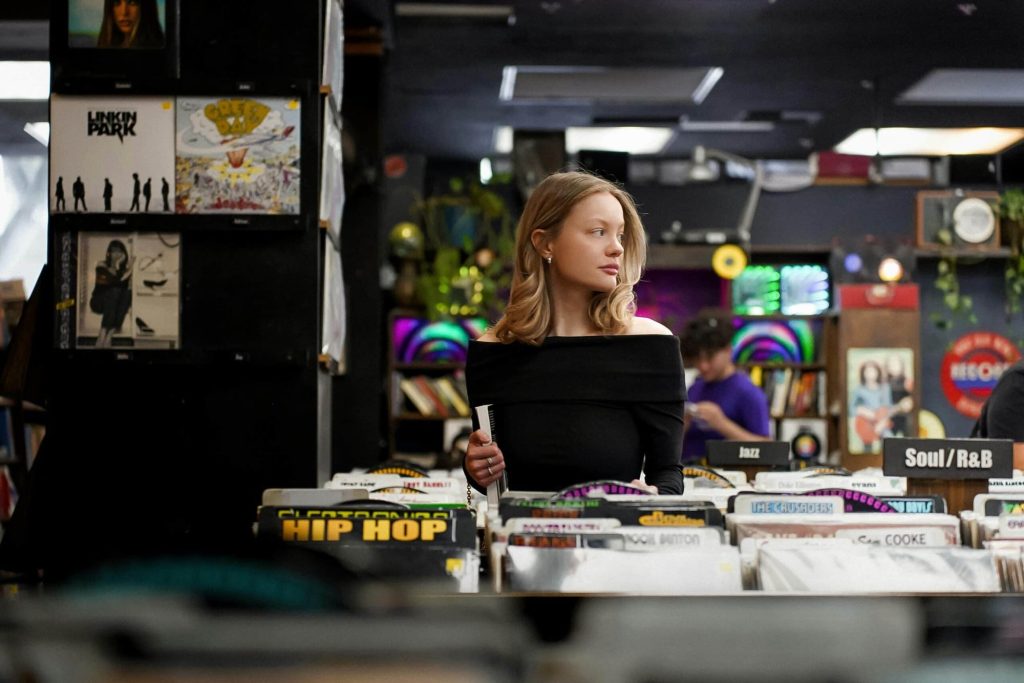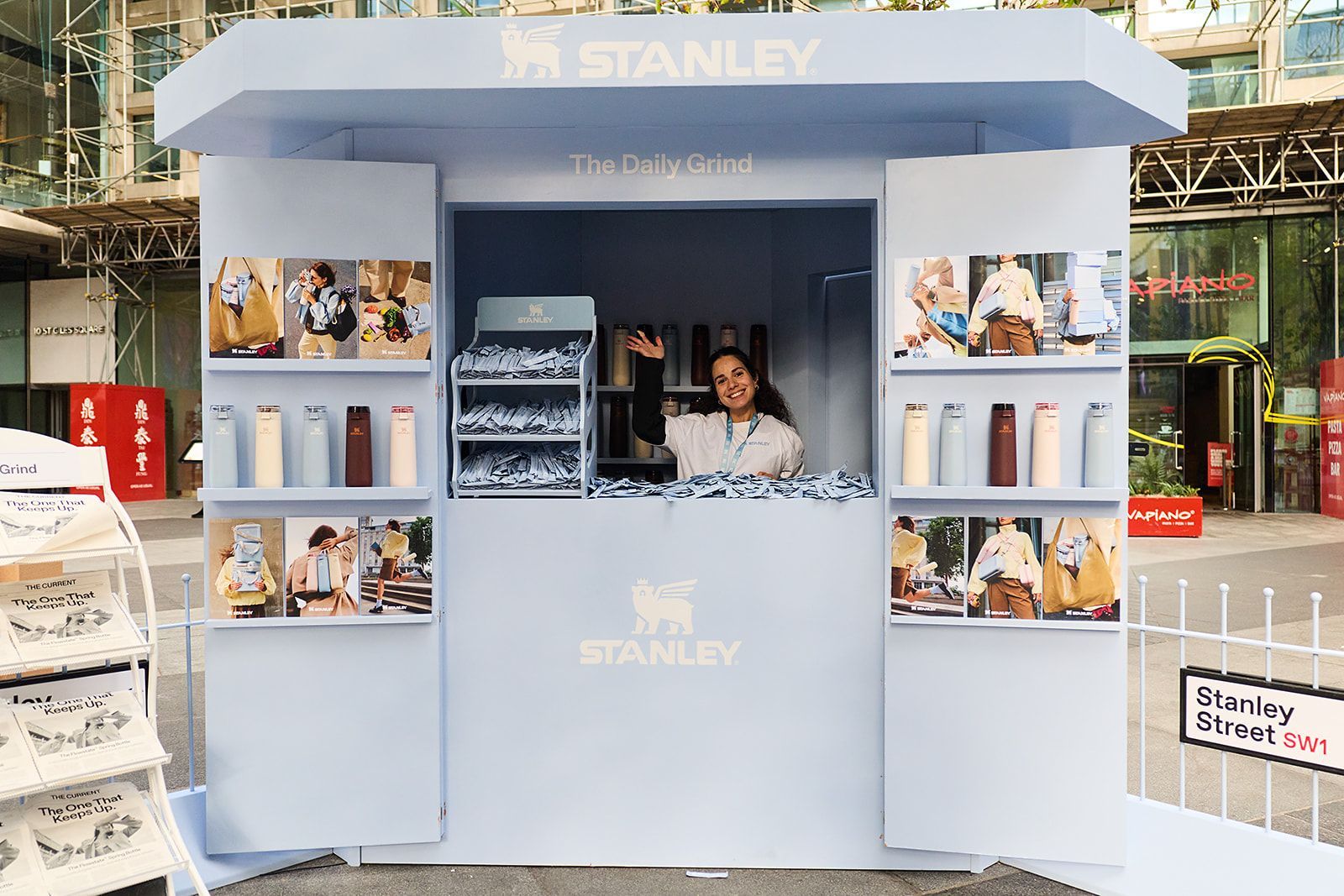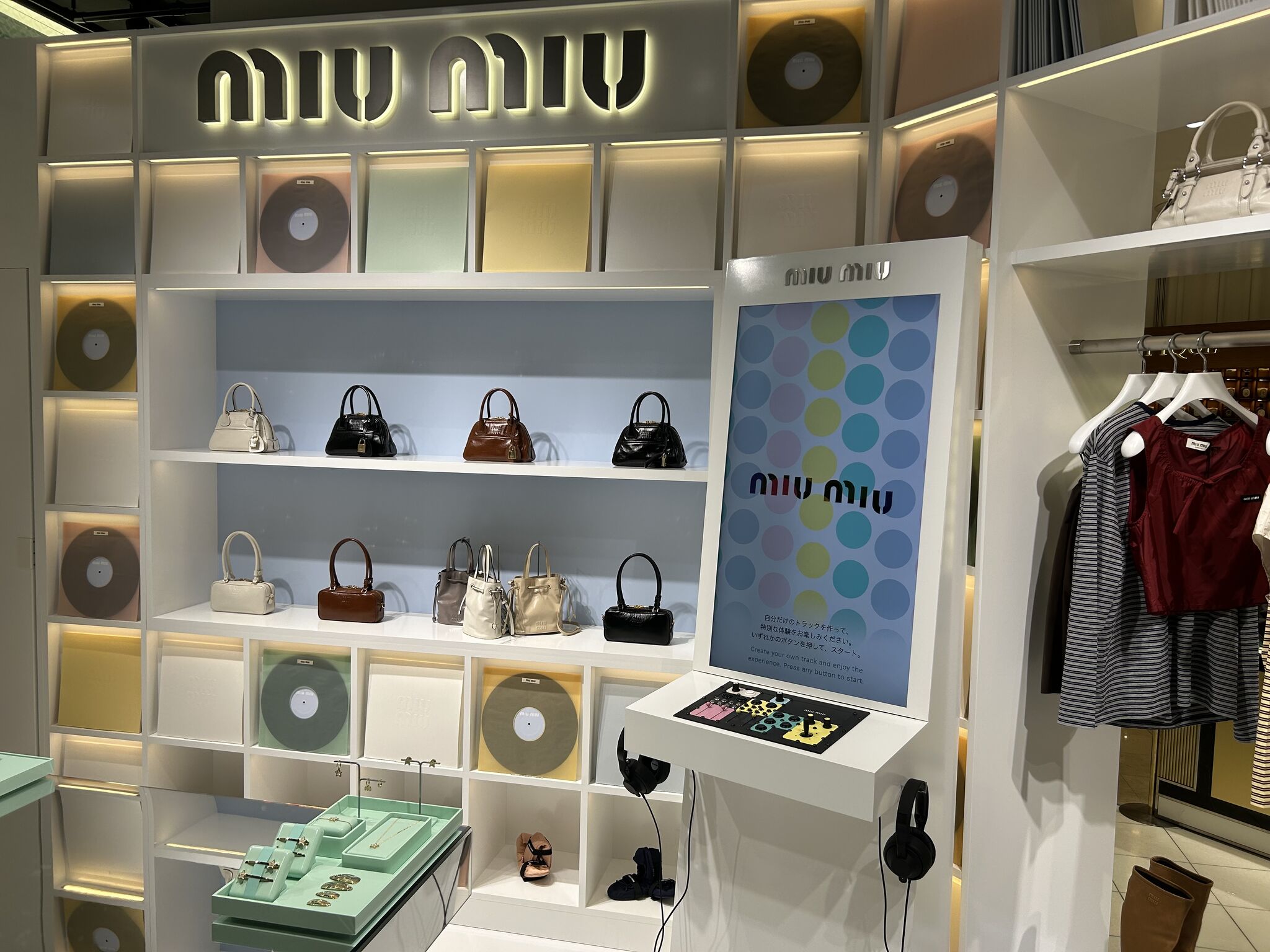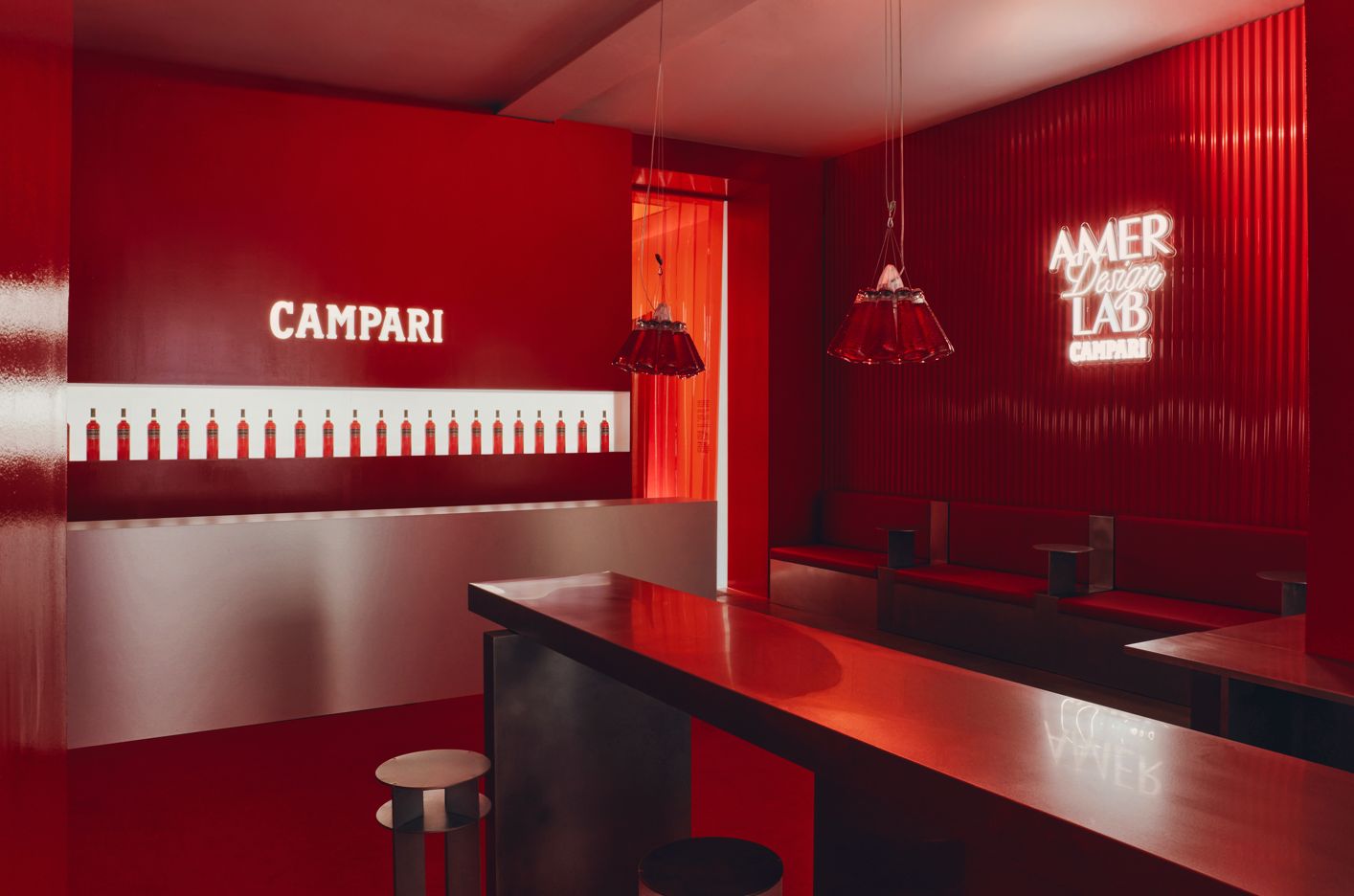
Retail and hospitality brands may operate differently, but music provides a powerful, shared strategy for enhancing customer experience. Both industries increasingly rely on background playlists to shape their environments, boost customer satisfaction, and solidify brand identity. By examining the strategic use of music across these sectors, businesses can uncover valuable insights to enhance their own customer experiences.
How Music Shapes Customer Behavior
Music significantly influences consumer behavior, even if customers are unaware of it. In retail environments, background music directly affects how long customers stay, their perception of wait times, and their likelihood of making a purchase. Research has demonstrated that slower-paced music can encourage shoppers to spend more time browsing, leading to increased sales. Similarly, restaurants utilize music to impact dining speed, perceived quality of service, and overall guest enjoyment.
Retailers can learn from hospitality by selecting music that encourages shoppers to slow down, making their experience more enjoyable…
without overt sales pressure. Meanwhile, restaurants can take inspiration from retail by choosing upbeat music during busy times, subtly influencing faster dining without sacrificing customer satisfaction.
For instance, quick-service restaurants can strategically use faster tempos to gently encourage customers to complete their meals more quickly during peak periods. Building Brand Identity Through Sound While businesses often emphasize visual branding, sound also significantly contributes to a memorable customer experience.
Retail stores excel at aligning music choices with their brand image. High-end boutiques typically use sophisticated electronic playlists, while casual brands choose contemporary pop hits that resonate with their younger audiences. This consistency in audio branding reinforces customers’ perceptions and increases recognition.
Restaurants can similarly benefit from aligning their curated background playlists for restaurants with their unique atmosphere and cuisine. Family-oriented venues may opt for classic, familiar songs that foster comfort, whereas trendy restaurants might choose indie or electronic tracks to amplify their modern appeal…
Discussion
0 Comments
No comments yet
Start the conversation
Share your take on this story and help shape the discussion.
Sign in to join the discussion.