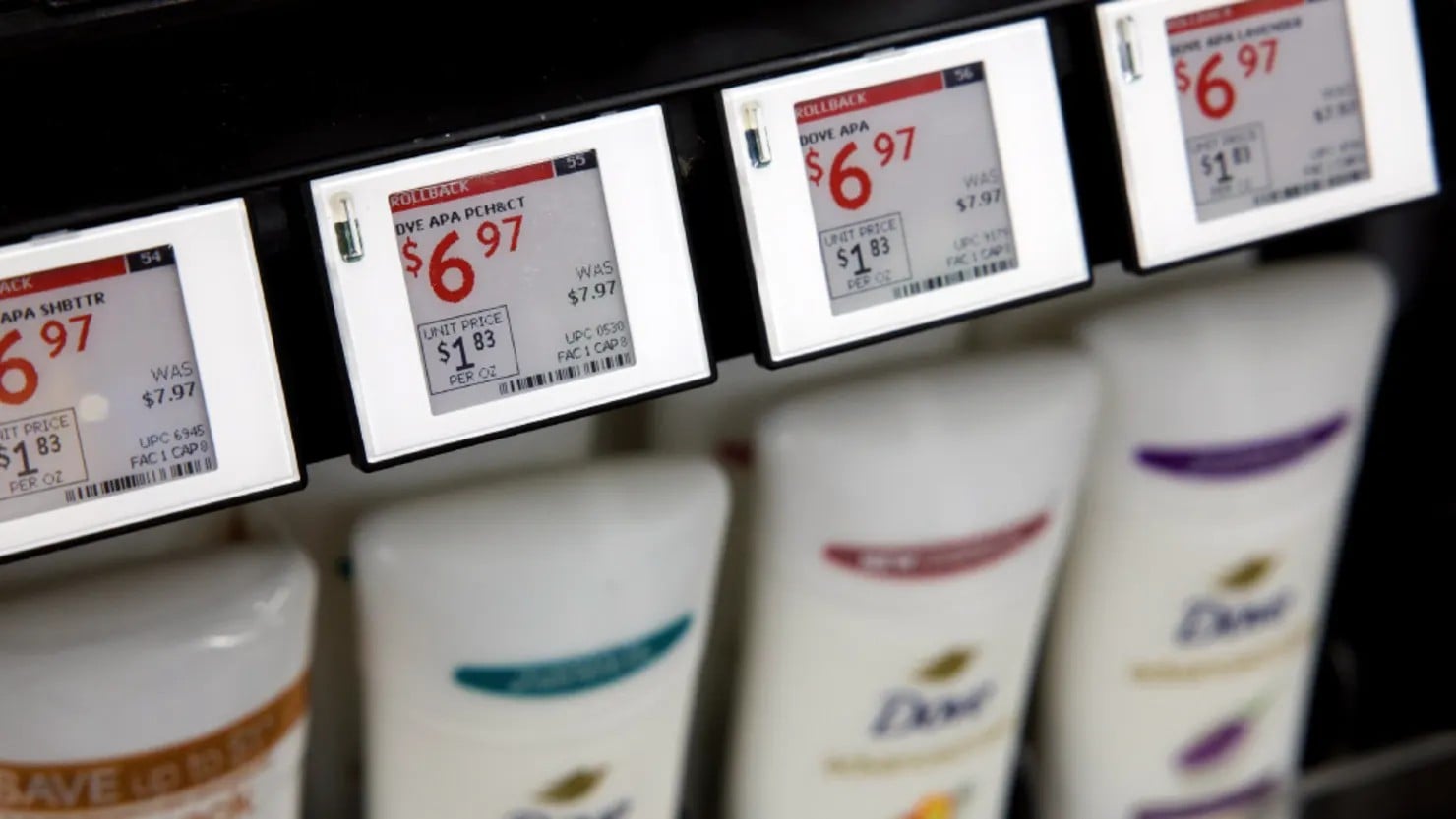
The law is aimed at so‑called “surveillance pricing,” where retailers feed signals like your location, loyalty‑program history, browsing behavior, or device data into AI models to decide what you should pay—sometimes charging different customers different amounts for the exact same product.
It does not ban all dynamic pricing; time‑of‑day changes, inventory‑based markdowns, or site‑wide promotions can continue as long as they do not rely on data tied to a specific, identifiable consumer.
Regulators define “personal data” broadly but carve out some categories, including information used by certain for‑hire vehicle services and companies already tightly regulated under financial and insurance laws in New York State. For shoppers, the biggest shift is visibility.
On apps and websites, especially inside loyalty programs and “personalized offer” spaces, people in New York should start seeing explicit labels whenever their personal data has helped determine the price in front of them…