







Oana Leonte’s The Architecture of Meaning, published by Technics Publications in September 2026, argues that brand heritage should be treated as a strategic asset rather than a collection of old campaigns. Its central proposition is captured in Leonte’s line, “Attention is rented. Meaning is owned.” For consumer brands competing for visibility across paid and algorithm-driven channels, the book makes the case for identifying the beliefs, behaviours and cultural codes they can carry consistently into future products and experiences.
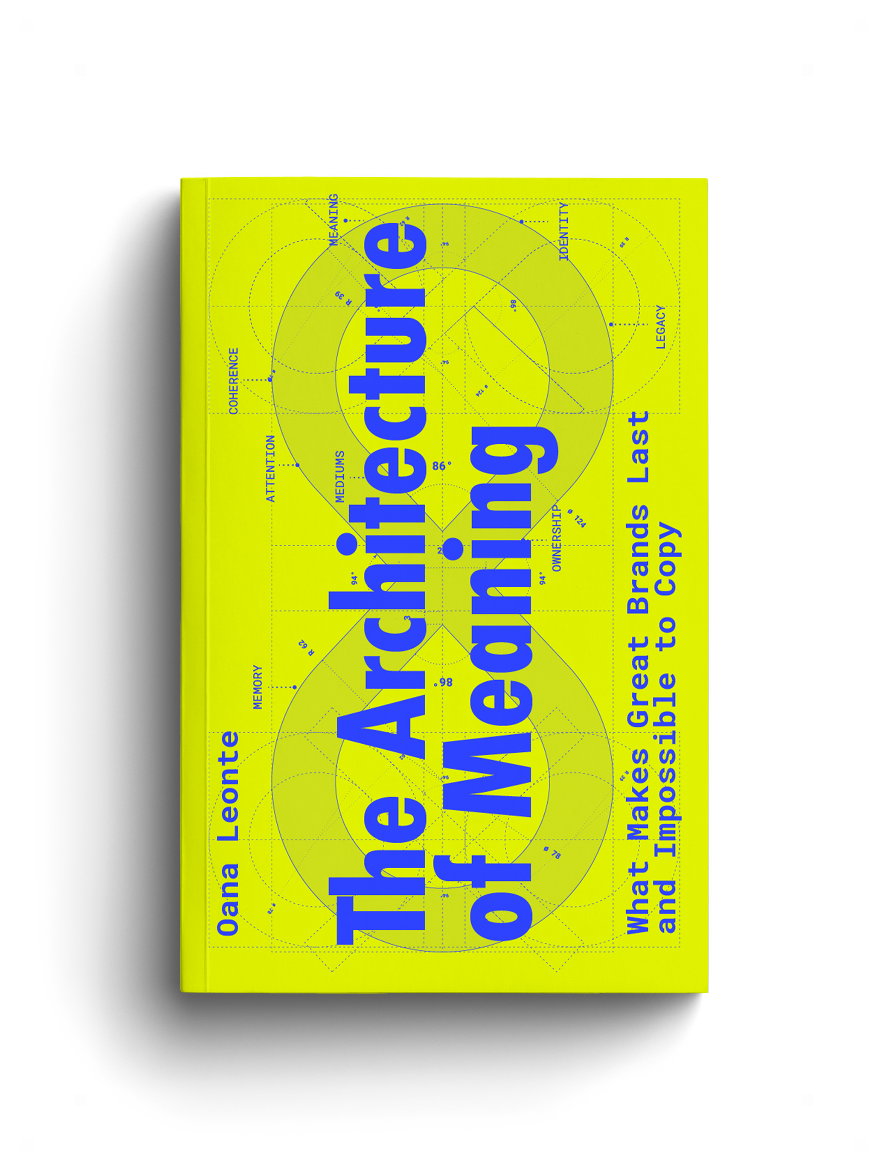

The book is organised around eight subjects: Meaning, Attention, Mediums, Memory, Identity, Ownership, Coherence and Legacy. It also sets out 22 Laws of Meaning. Leonte’s distinction between being seen and being remembered runs through the structure: campaigns can generate reach, but she argues that durable brand identity depends on what a company can recognise, protect and build upon over time.
Brand archives as working assets

Leonte asks brands to revisit their archives and recover the specific ideas and decisions that made them distinctive. That approach has a practical implication for retailers and consumer companies: archive work can inform product design, collaborations, licensing and store storytelling when the underlying codes are clear enough to apply across channels. The book positions coherence across those choices as part of brand-building, rather than treating heritage as a seasonal nostalgia theme.
Leonte draws on more than 20 years of experience at Disney, Warner Bros., Nickelodeon and PUMA. She founded unmtchd., a brand-IP advisory practice focused on helping companies identify and develop their distinctive assets. Her earlier book, Two Boys on a Star, is a children’s title.
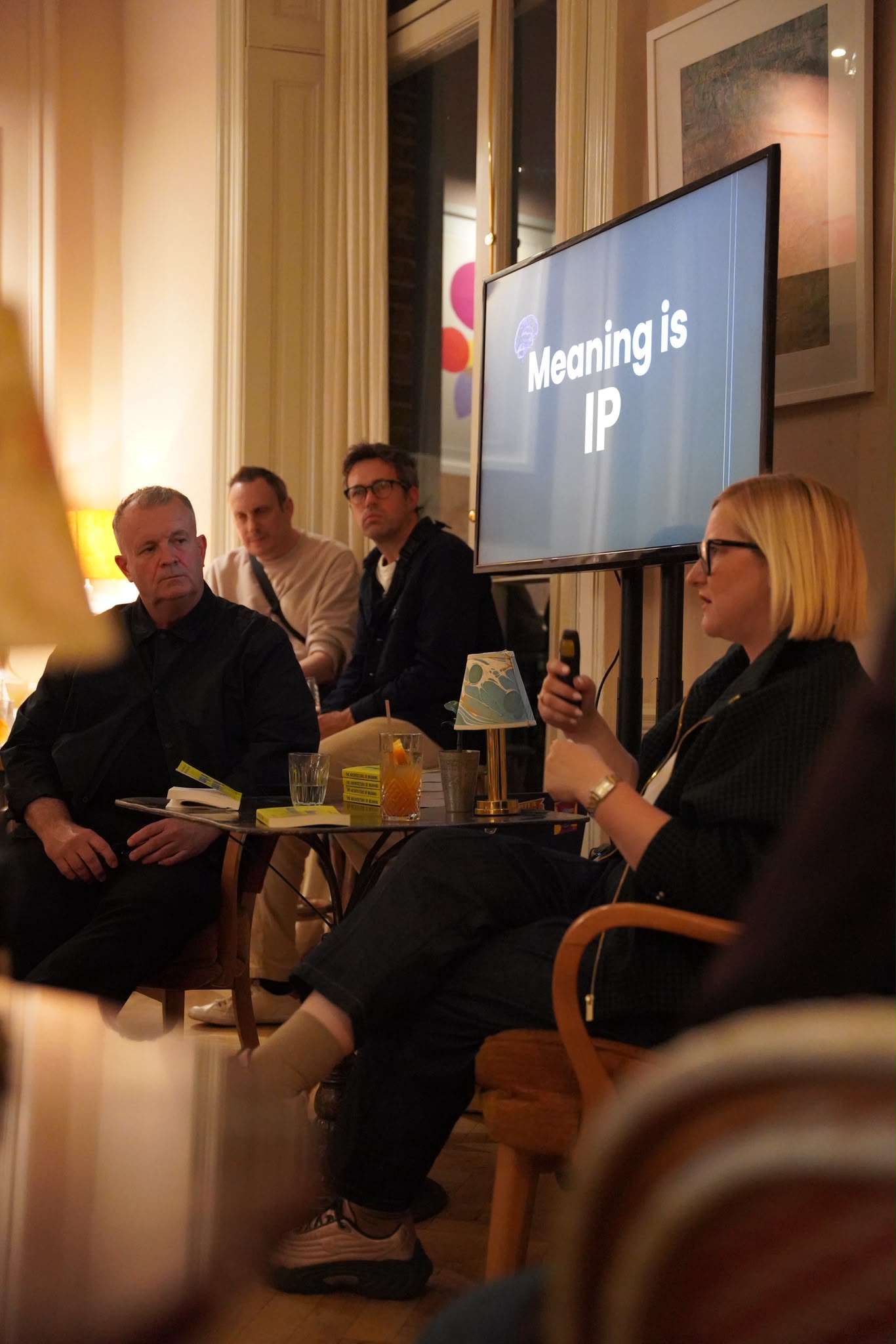
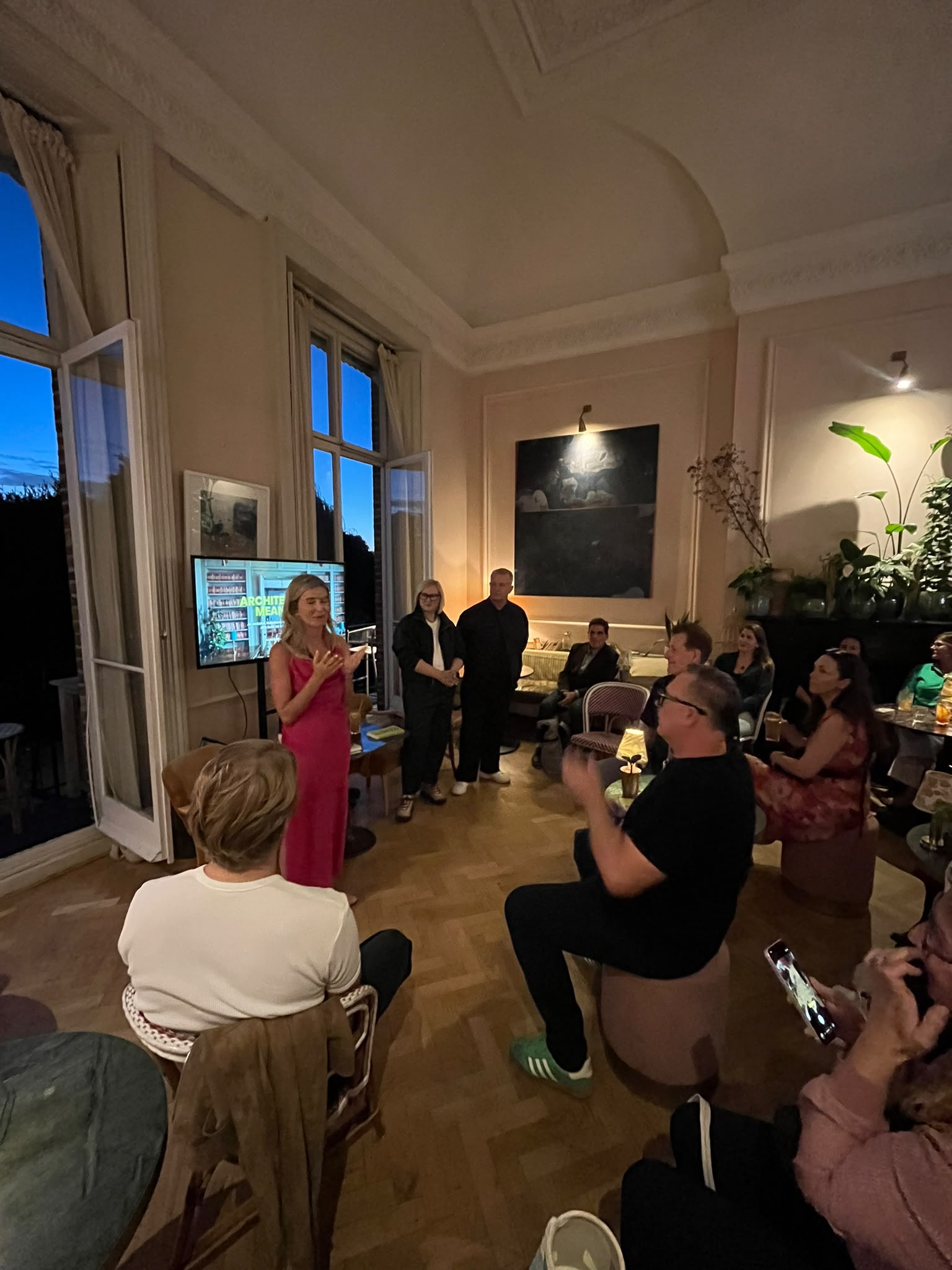
A September 30 gathering at Bingham Riverhouse in London brought the book’s ideas into a live discussion. Technics Publications offers the book in print and PDF formats; Leonte also outlines its framework on the official book site.
The release places a specific question before brand leaders: which parts of their history are distinctive enough to guide what they build next?